


Let’s talk about some Winter Travel Tips. Winter travel, while enchanting, requires careful preparation to ensure a safe and enjoyable journey. Whether you’re hitting the road for a scenic drive or catching a flight, being proactive about potential weather-related challenges is key. This guide provides essential safety tips for all your winter adventures.

Before You Go: The Three P’s of Safe Winter Driving
A fundamental principle for safe winter driving is the “three P’s”: Prepare, Protect, and Prevent.
Prepare Your Vehicle
Before embarking on a winter road trip, it’s crucial to ensure your vehicle is in top condition. This includes checking the battery, tire tread, and windshield wipers. It’s also wise to have your antifreeze levels checked and to fill your washer reservoir with a no-freeze fluid.
Equipping your vehicle with snow tires can also significantly improve traction and safety in snowy and icy conditions.
Protect Yourself and Your Passengers
Properly functioning seat belts and child safety seats are paramount. Never place a rear-facing infant seat in the front of a vehicle with an airbag. Children 12 and under are safest in the back seat.
Prevent Crashes
Slowing down and increasing the distance between your vehicle and others is critical in winter conditions. Stopping distances are significantly longer on icy or water-covered roads. Be especially cautious on bridges, overpasses, and shaded areas, as they are prone to icing over. Avoid using cruise control on slippery surfaces and be vigilant for pedestrians who may be walking in the road.
On the Road: Navigating Winter Conditions
Driving Techniques for Snow and Ice
Smooth and gentle maneuvers are key to safe winter driving. Avoid sudden acceleration, braking, and sharp turns. If you begin to skid, steer in the direction you want the car to go. For vehicles with antilock brakes (ABS), apply firm, steady pressure to the pedal in an emergency. For vehicles without ABS, pump the brakes gently. “Black ice,” a thin, transparent layer of ice, is a significant winter hazard because it’s difficult to see. Be particularly watchful for it in shaded areas, under trees, and on bridges.
Sharing the Road with Snowplows
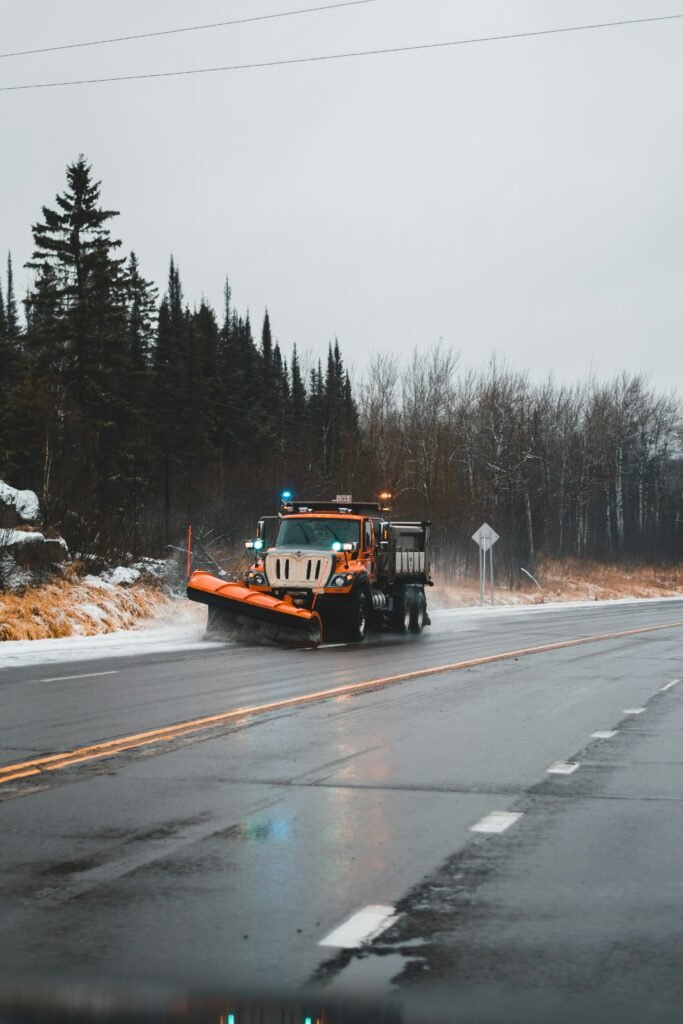
Give snowplows plenty of room to work. It’s recommended to stay at least four car lengths behind them. Never pass a snowplow on the right, as some are equipped with a “wing plow” that extends to the side. The road behind a plow is safer than the road in front of it.
Be Prepared for the Unexpected: Your Winter Emergency Kit
A well-stocked emergency kit is a must for any winter travel. It can be a lifesaver if you become stranded.
Essential Items for Your Car Kit
| Item | Purpose |
|---|---|
| Flashlight and extra batteries | For visibility in the dark. |
| Jumper cables | To restart a dead battery. |
| Abrasive material (sand, kitty litter) | To provide traction if your vehicle is stuck. |
| Shovel | To dig your vehicle out of snow. |
| Snow brush and ice scraper | To clear snow and ice from your vehicle. |
| Warning devices (flares, reflectors) | To make your vehicle visible to other drivers. |
| Blankets or sleeping bags | To stay warm in case of a breakdown. |
| Food and water | For sustenance during a long delay. |
| First-aid kit | To treat minor injuries. |
| Cell phone and charger | To call for help. |
Winter Air Travel: Tips for a Smooth Journey
Winter weather can also significantly impact air travel, leading to delays and cancellations. To find cheap and affordable flights and rental cars as you prepare to travel this winter, check our Home and Car Rental.
Before You Fly
- Check for travel waivers: Many airlines offer travel waivers during major winter storms, allowing passengers to change their flights without a fee.
- Monitor your flight status: Check your flight status frequently before heading to the airport.
- Pack smart: Include essentials like medications, warm clothing, and snacks in your carry-on bag in case of delays.
At the Airport
- Arrive early: Allow extra time for check-in and security, as winter weather can cause delays.
- Be patient: Airport staff are working to get everyone to their destinations safely.
Flying with a Cold
Flying with a cold is possible, but it’s important to consider your health and the comfort of other passengers. If you have a severe cold or flu with a high fever, it is best to postpone your trip. If you do fly, here are some tips:
- Use a decongestant nasal spray to help with pressure changes.
- Drink plenty of fluids to stay hydrated.
- Wear a mask to reduce the risk of spreading germs.