

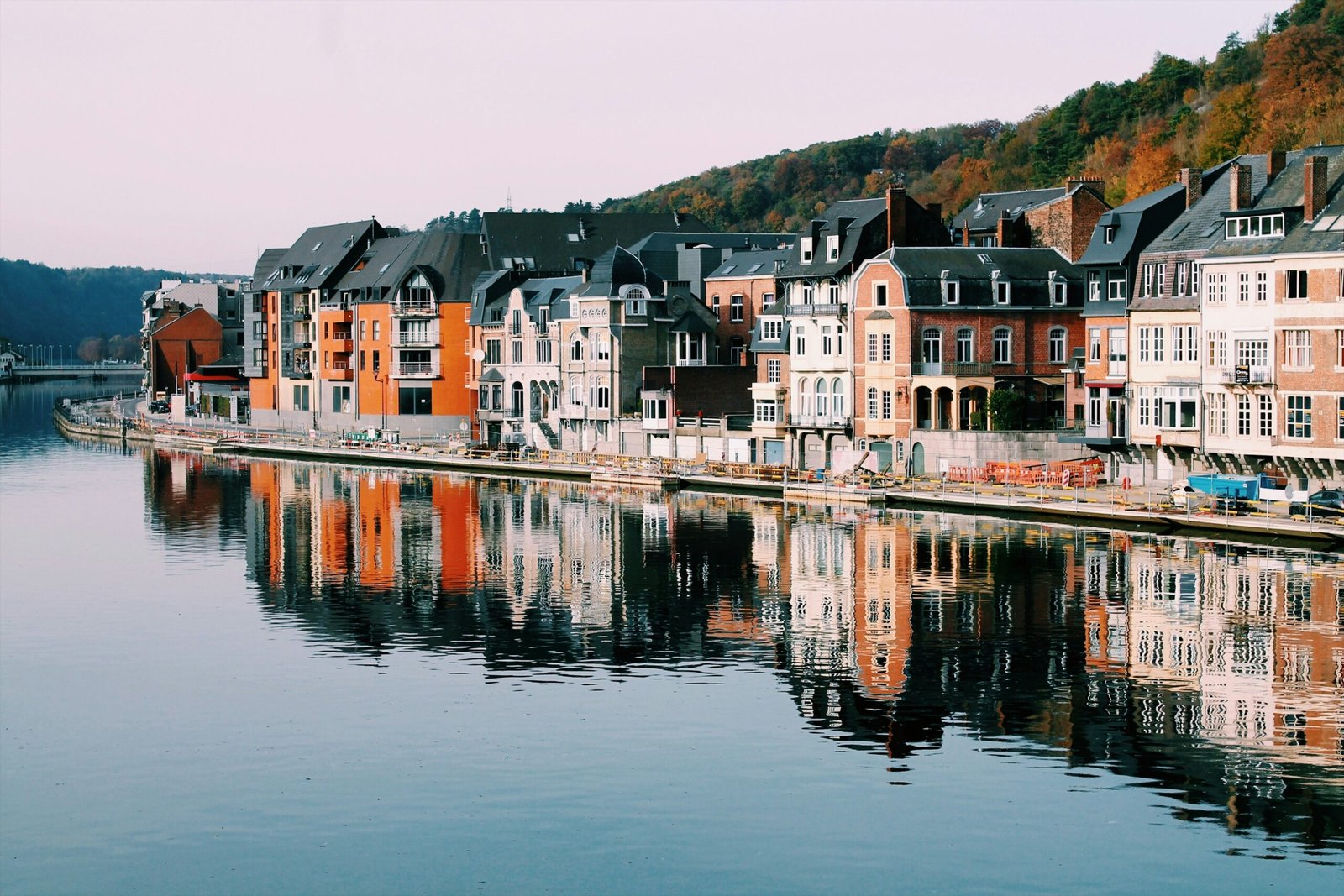

Traveling to Europe in 2026 doesn’t have to drain your savings. Discover these budget travel tips. With smart planning, flexible travel choices, and a few insider strategies, you can explore Europe’s iconic cities, charming villages, and rich cultures on a budget. Whether you’re a first-time visitor or a seasoned traveler, these tips, including our essential Budget and Cheap Travel Tips To Europe in 2026, will help you save money while still enjoying an unforgettable European adventure.
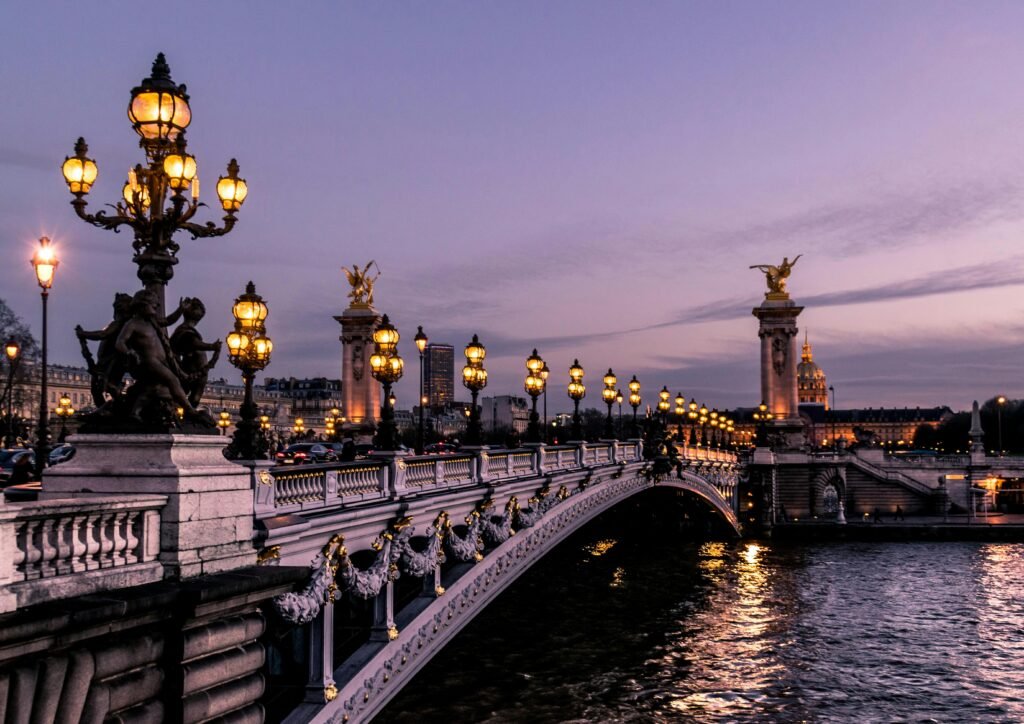
1. Book Flights Early & Be Flexible With Dates
Flights are often the most expensive part of a European trip. Booking 3–6 months in advance usually gives the best prices, especially for summer travel.
Budget and Cheap Travel Tips To Europe in 2026
How to save:
- Use fare comparison tools and set price alerts
- Fly mid-week (Tuesday or Wednesday)
- Avoid peak travel periods like July, August, and major holidays
- Consider open-jaw tickets (fly into one city and out of another)
💡 Budget airports like Milan Bergamo, Paris Beauvais, and Brussels Charleroi often offer significantly cheaper fares.
check my homepage where you can find and book cheap flights to anywhere in the world. That’s why we are called A Very Cheap Flight. Home
2. Combine Budget Airlines With Trains
Europe’s transportation network makes moving around easy and affordable if you mix options wisely.
Smart transport strategies:
- Use budget airlines for long distances
- Use regional trains for shorter routes (often cheaper than high-speed trains)
- Book trains early for discounts
- Travel overnight when possible to save on accommodation
🚄 Regional trains may take longer but are cheaper and offer scenic countryside views.
For more insights, check out our comprehensive Budget and Cheap Travel Tips that will enhance your travel experience and keep your finances in check.
3. Choose Affordable Accommodations Strategically
Accommodation prices vary greatly by location and season. You don’t need luxury hotels to have a great stay.
Budget-friendly options:
- Hostels with private rooms
- Guesthouses and family-run pensions
- Budget hotels
- Short-term apartment rentals
📍 Staying 10–20 minutes outside city centers can reduce prices by 30–50%, especially in major cities like Paris, Rome, or Amsterdam.
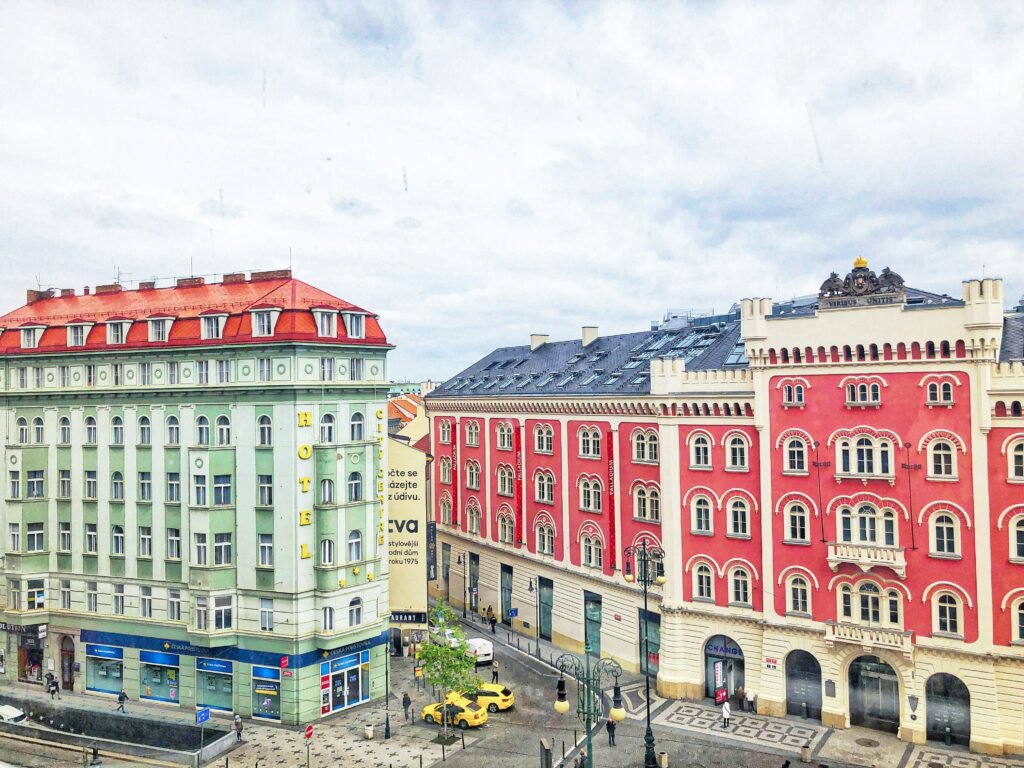
4. Eat Like a Local, Not a Tourist
Food costs add up quickly, but Europe offers plenty of delicious budget options.
How to eat cheaply:
- Shop at local grocery stores and bakeries
- Eat your main meal at lunchtime (lunch menus are cheaper)
- Try street food, food markets, and casual cafés
- Avoid restaurants with menus in multiple languages near tourist attractions
🥖 A simple sandwich, pastry, or local dish can be just as satisfying—and far cheaper.

5. Pack Light to Avoid Hidden Fees
Budget airlines in Europe charge high fees for checked luggage.
Smart packing tips:
- Travel with a carry-on only
- Wear layers instead of packing bulky items
- Pack neutral clothing you can mix and match
- Use laundry facilities or local laundromats
🎒 One carry-on can save you hundreds in baggage fees across multiple flights.
6. Take Advantage of Free Attractions
Europe offers countless free and low-cost experiences.
Free things to do:
- Free walking tours (tip-based)
- Public parks, beaches, and historic neighborhoods
- Free museum days (often once a month)
- Churches, cathedrals, and scenic viewpoints
🎟️ City passes can also provide free public transport and discounted attractions.
Checkout Home to find cheap tickets to tour you favorite places all over the world.
7. Travel During Shoulder Season
The shoulder season offers the best balance of cost, weather, and crowd levels.
Best budget months:
- Spring: March to May
- Fall: September to November
Prices drop, attractions are less crowded, and you’ll still enjoy pleasant weather in most regions.
8. Use Travel-Friendly Cards & Avoid Extra Fees
Bank fees can silently eat into your travel budget.
Money-saving tips:
- Use debit and credit cards with no foreign transaction fees
- Withdraw cash from bank ATMs instead of exchange kiosks
- Always choose to pay in local currency
💡 Contactless payments are widely accepted across Europe in 2026.
9. Use Long-Distance Buses for Big Savings
Buses are often the cheapest way to travel between cities and countries.
Why buses are budget-friendly:
- Significantly cheaper than trains
- Comfortable seats and Wi-Fi
- Overnight routes save on hotel costs
🛣️ Buses are ideal for travelers with flexible schedules and smaller budgets.
You can rent cars at affordable price anywhere at Car Rental.
10. Slow Down & Stay Longer in Fewer Places
Fast travel increases costs. Slowing down saves money and improves your experience.
Benefits of slow travel:
- Fewer transportation expenses
- Discounts on weekly stays
- More authentic cultural experiences
- Less stress and fatigue
📌 Choose a region (like Southern Italy or Eastern Europe) instead of multiple countries.
Best Budget Destinations in Europe for 2026
If saving money is a priority, consider:
- Portugal
- Hungary
- Romania
- Bulgaria
- Albania
- Poland
These countries offer affordable accommodations, food, and transport—without sacrificing beauty or culture.

Final Thoughts
Traveling at a leisurely pace not only enhances your experience but also allows for a more profound connection with your chosen destination. Opting to explore a specific region, such as Southern Italy or Eastern Europe, can significantly reduce travel expenses while enriching your cultural immersion. Furthermore, selecting budget-friendly countries ensures that accommodations and meals remain affordable, proving that remarkable experiences can be achieved without financial strain. By embracing slow travel and making informed decisions, visitors can fully appreciate the diverse beauty and heritage Europe has to offer in 2026.