



We will be discussing Ten Essential Safety Tips for Travelers. Traveling opens the door to new cultures, unforgettable experiences, and exciting adventures. However, staying safe should always be a top priority—no matter how experienced you are or where you’re going. By planning ahead and remaining aware, you can significantly reduce risks and enjoy a smooth, stress-free journey. These essential travel safety tips will help you protect yourself, your belongings, and your peace of mind wherever you travel.
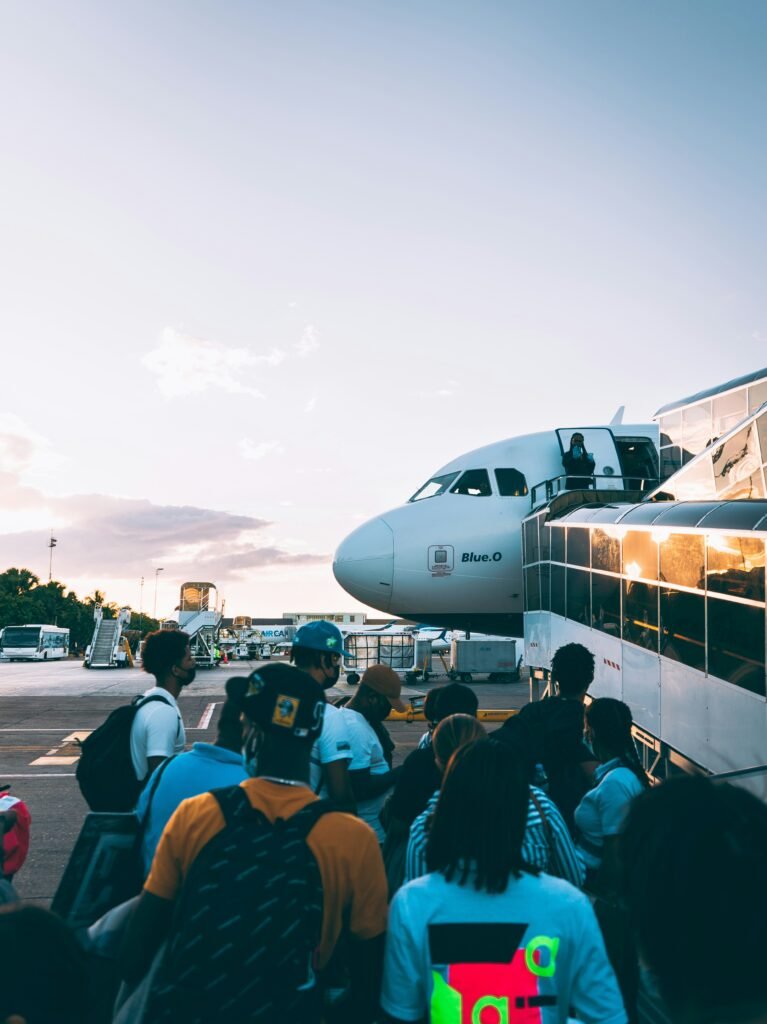
1. Research Your Destination Thoroughly
Before traveling, familiarize yourself with local laws, customs, weather conditions, and areas to avoid. Understanding cultural norms can prevent misunderstandings, while awareness of common scams or safety concerns helps you stay prepared and confident throughout your trip.
Before departure, research your destination thoroughly. Learn about:
- Local laws and regulations (some countries have strict rules unfamiliar to visitors)
- Cultural norms, dress codes, and behaviors to avoid
- Areas known for higher crime or tourist scams
- Seasonal weather risks such as hurricanes, heatwaves, or snowstorms
Check government travel advisories and local news sources. Understanding your destination helps prevent legal trouble, cultural misunderstandings, and unsafe situations.
2. Keep Copies of Important Documents
Always carry copies of your passport, identification, visas, travel insurance, and tickets. Store digital copies securely in cloud storage and keep printed copies in a separate bag. This can be invaluable if documents are lost or stolen.
Your passport and identification are your lifelines while traveling.
- Make multiple copies (digital and printed) of your passport, visa, ID, insurance, and tickets
- Store digital copies in secure cloud storage and email them to yourself
- Keep originals in a concealed, waterproof travel pouch
If documents are lost or stolen, copies can speed up replacement at embassies or consulates.
3. Stay Alert and Aware of Your Surroundings
Situational awareness is one of the most effective safety tools. Avoid being overly distracted by your phone or headphones, especially in crowded places, public transportation, or unfamiliar neighborhoods.
Being alert is one of the most powerful safety tools.
- Avoid walking with your phone out or wearing headphones in unfamiliar areas
- Be especially cautious in crowded locations such as markets, transit hubs, and festivals
- Watch for unusual behavior or people paying excessive attention to you
Awareness helps you identify potential threats early and react before situations escalate.
4. Protect Your Valuables
Use anti-theft backpacks, money belts, or hidden pouches to secure cash, credit cards, and electronics. Keep valuables locked in hotel safes when not in use and avoid displaying expensive items that may attract unwanted attention.
Theft is one of the most common travel issues.
- Use anti-theft backpacks with locking zippers
- Carry only what you need for the day
- Separate cash, cards, and valuables in different locations
- Avoid displaying expensive jewelry, electronics, or large sums of money
At accommodations, use hotel safes or lock valuables inside your luggage.
5. Share Your Travel Plans
Provide a trusted friend or family member with your itinerary, accommodation details, and contact information. Check in regularly, especially when traveling solo or visiting remote areas.
Always keep someone informed about your plans.
- Share your flight details, lodging addresses, and daily itinerary
- Check in regularly, especially when changing locations
- Use location-sharing features if traveling alone
This ensures someone can quickly raise the alarm if you become unreachable or need help.
6. Choose Safe and Reliable Transportation
Use licensed taxis, reputable ride-sharing services, or official public transportation options. Avoid accepting rides from strangers, and whenever possible, travel during daylight hours in unfamiliar locations.
Transportation safety is often overlooked.
- Choose licensed taxis, hotel-arranged transport, or verified ride-share services
- Avoid unmarked vehicles or drivers soliciting rides
- Sit in well-lit, populated areas on public transport
- Avoid traveling late at night in unfamiliar locations
When renting a car, inspect it thoroughly and understand local driving laws.
7. Use Caution with Technology and Public Wi-Fi
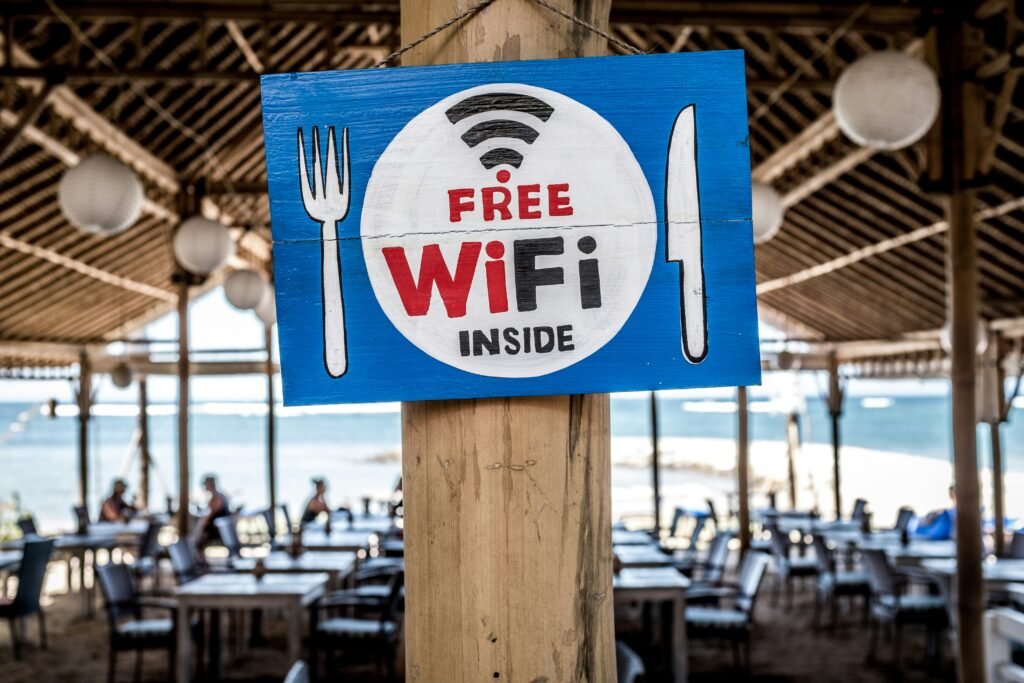
Public Wi-Fi networks can be unsecured and vulnerable to cyber threats. Avoid accessing sensitive information such as banking or personal accounts. Use a VPN, strong passwords, and two-factor authentication for added protection.
Technology can expose travelers to risks.
- Avoid logging into bank accounts or sensitive apps on public Wi-Fi
- Use a VPN when connecting to unsecured networks
- Enable two-factor authentication on important accounts
- Keep devices password-protected and updated
Cyber theft can cause long-term damage even after your trip ends.
8. Know Emergency Contacts and Locations
Save local emergency numbers, embassy or consulate contact details, and the addresses of nearby hospitals or police stations. Having this information readily available can save valuable time during emergencies.
Health preparedness is critical.
- Carry a basic first-aid kit and necessary medications
- Research nearby hospitals and pharmacies
- Learn local emergency numbers (they vary by country)
- Know the location and contact details of your embassy or consulate
Travel insurance with medical and evacuation coverage is strongly recommended.
9. Trust Your Instincts
If a situation, place, or person makes you feel uncomfortable, trust your instincts and remove yourself immediately. Your intuition is often your first line of defense against danger.
Your intuition is a powerful safety mechanism.
- Leave immediately if a place or interaction feels unsafe
- Don’t feel pressured to be polite if something feels wrong
- Say no firmly and confidently when needed
Most travelers who avoid danger do so because they listened to their instincts early.
10. Prioritize Your Health and Well-Being
Carry essential medications, stay hydrated, follow local health guidelines, and get recommended vaccinations before traveling. Travel insurance with medical coverage is essential for handling unexpected health emergencies.
Travel safety isn’t only about crime.
- Stay hydrated and eat safely prepared food
- Get enough rest to avoid fatigue-related mistakes
- Pace your itinerary to avoid burnout
- Take breaks when feeling overwhelmed or stressed
A well-rested, healthy traveler makes better decisions and reacts faster in emergencies.
Final Thoughts
Safe travel is not about fear—it’s about awareness, preparation, and smart choices. By planning ahead and following these detailed safety practices, you can reduce risks, handle unexpected situations calmly, and fully enjoy your travel experiences with confidence.